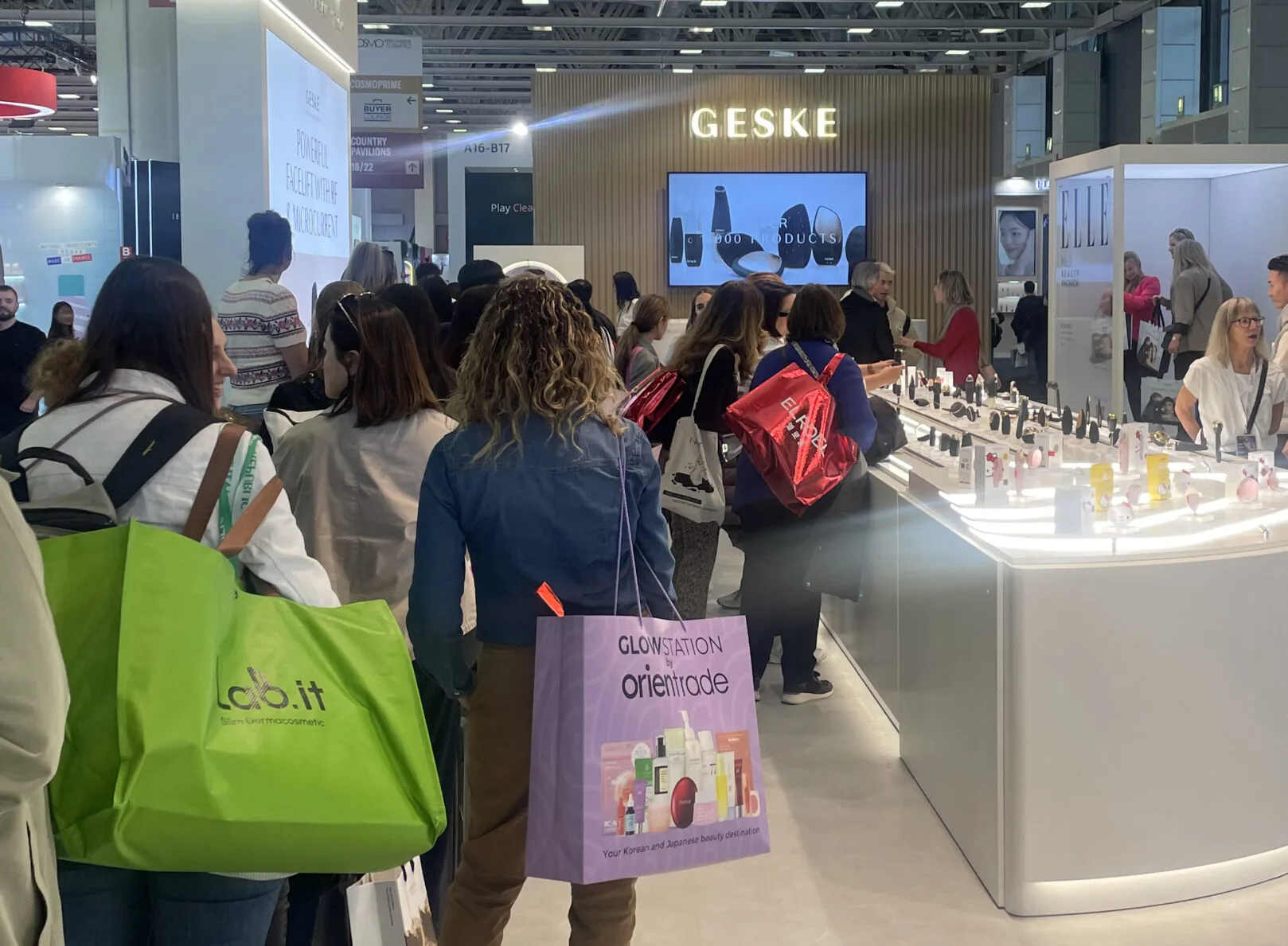
Tips to choose the gadgets suitable for fairs and congresses
The importance of promotional gadgets in trade fairs and congresses

Each technique has its own characteristics, advantages, and limitations, so selecting the right option depends on factors such as surface area, production volume, level of detail required, and product lifespan. The main types of engraving and the conditions in which they are typically used are described below.
SCREEN PRINTING
It is one of the most widely used techniques for promotional products. It involves transferring ink through a stretched mesh.
Terms and conditions: Ideal for flat surfaces such as textiles, bags, notebooks, folders, or bottles. Suitable when the design does not require many colours. Perfect for large volumes due to its low cost per unit. Provides solid, long-lasting colours.
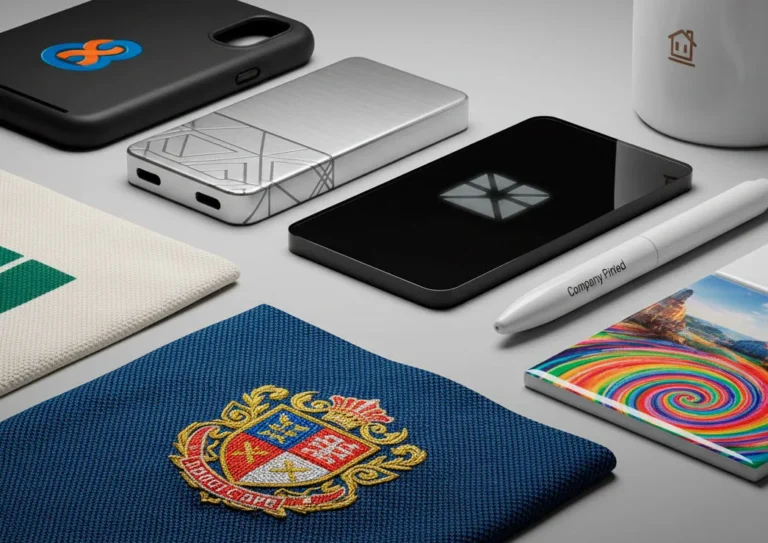
TAMPOGRAPHY
Pad printing uses a silicone pad to transfer ink onto the object.
Terms and conditions: Excellent for curved, irregular or small surfaces. Commonly used on pens, key rings, USB sticks, small plastic or metal objects. Allows for great precision in fine details. Less recommended for very large designs.
LASER ENGRAVING
The laser burns or marks the surface of the material without adding ink.
Terms and conditions: Perfect for metals, wood, glass, leather and some plastics. Recommended when seeking an elegant and durable finish. Resistant to wear, water and friction. Used especially in high-quality products: thermos flasks, tools, metal pens, plaques, etc. Does not allow colours; the finish is the natural tone of the material.
EMBROIDERY
The design is produced using textile thread applied with an industrial machine.
Terms and conditions: Exclusively for textiles: caps, polo shirts, jackets, backpacks, or towels. Provides a professional appearance and great durability. More expensive than screen printing, so it is used on higher-value items. Limited for very small details.
DIGITAL PRINTING
It consists of printing directly onto the surface using technology similar to that of an advanced printer.
Terms and conditions: Ideal for full-colour designs, gradients, or photographs. Compatible with flat surfaces and some types of plastic or wood. Perfect for short runs and individual customisations. Less durable than laser or mechanical engraving.
SUBLIMATION
The ink turns into gas and penetrates the material.
Terms and conditions: Works only on polyester or surfaces treated for sublimation. Widely used on mugs, technical T-shirts, puzzles and photographic items. Allows full-colour printing with great detail. High durability on textiles; medium durability on rigid objects.
THERMO-STAMPING (STAMPING)
It uses heat and pressure to transfer a metal foil or mark the material.
Terms and conditions: Used on leather, synthetic leather, diaries, folders and premium items. Provides a sophisticated finish (gold, silver, metallic). Not suitable for complex or very small designs.
LABEL
It consists of a printed sticker coated with resin that creates a three-dimensional effect.
Terms and conditions: Ideal when the material does not allow direct printing. Enables vivid colours and quick customisation. Used on key rings, badges, tools, electronic devices, etc.
Seek professional advice to select the right engraving technique for each gadget and ensure a professional and effective result.

 English (UK)
  Español